Industrial warehouse with organized inventory boxes, top vie
CRA Compliance & Asset Valuation

Gifts in Kind Regulations and Tax Deductions

A technical breakdown of non-cash donation protocols for Canadian taxpayers. Understand Fair Market Value (FMV) assessment, capital gains exemptions for securities, and the strict appraisal requirements for assets exceeding $1,000.

0%

Capital Gains Tax on Donated Public Securities

$1,000

Threshold for Mandatory Professional Appraisal

100%

Tax Credit Eligibility for Certified Cultural Property

3 Years

Deemed FMV Rule for Recently Acquired Assets

Fair Market Value Assessment

Fair Market Value (FMV) is defined by the Canada Revenue Agency (CRA) as the highest price, expressed in dollars, that a property would fetch in an open and unrestricted market between a willing buyer and a willing seller who are both knowledgeable, informed, and prudent, and who are acting independently of each other. This calculation is the cornerstone of non-cash donation receipts.

The "Deemed Fair Market Value" rule applies if the property was acquired within three years of the donation. In such cases, the FMV is deemed to be the lesser of the actual FMV and the cost of the property to the donor. This regulation was introduced to prevent "tax shelter" schemes where assets were purchased at low prices and donated shortly after at inflated valuations.

  • ui-glyph Arm's length transaction requirement for all valuations.
  • Exclusion of taxes (GST/HST) from the receipted amount.
  • Adjustment for any "advantage" or benefit received by the donor.

The Advantage Rule

"The eligible amount of a gift is the FMV of the property minus the value of any advantage received in return for the gift."

If you donate an item worth $5,000 but receive a dinner and concert tickets worth $500 in return, the official donation receipt must be issued for $4,500. This is known as split-receipting. If the advantage exceeds 80% of the FMV, the CRA generally considers that there was no "donative intent," and no tax receipt can be issued.

View Receipt Standards →

Publicly Listed Securities

Capital Gains Exemption

When you sell a security, you normally pay tax on 50% of the capital gain. However, when you donate publicly traded shares, bonds, or mutual fund units directly to a registered charity, the capital gains tax is reduced to zero.

Corporate Rules

Transfer Protocols

To qualify for the 0% capital gains rate, the securities must be transferred "in-kind." You cannot sell the shares and donate the cash; the physical transfer of ownership must occur between your brokerage and the charity's account.

Savings Calculator

Employee Stock Options

Similar benefits apply to employee stock options. If you exercise options and donate the shares within 30 days of the same year, you may be eligible for a deduction that effectively eliminates the employment benefit tax.

Credit Details
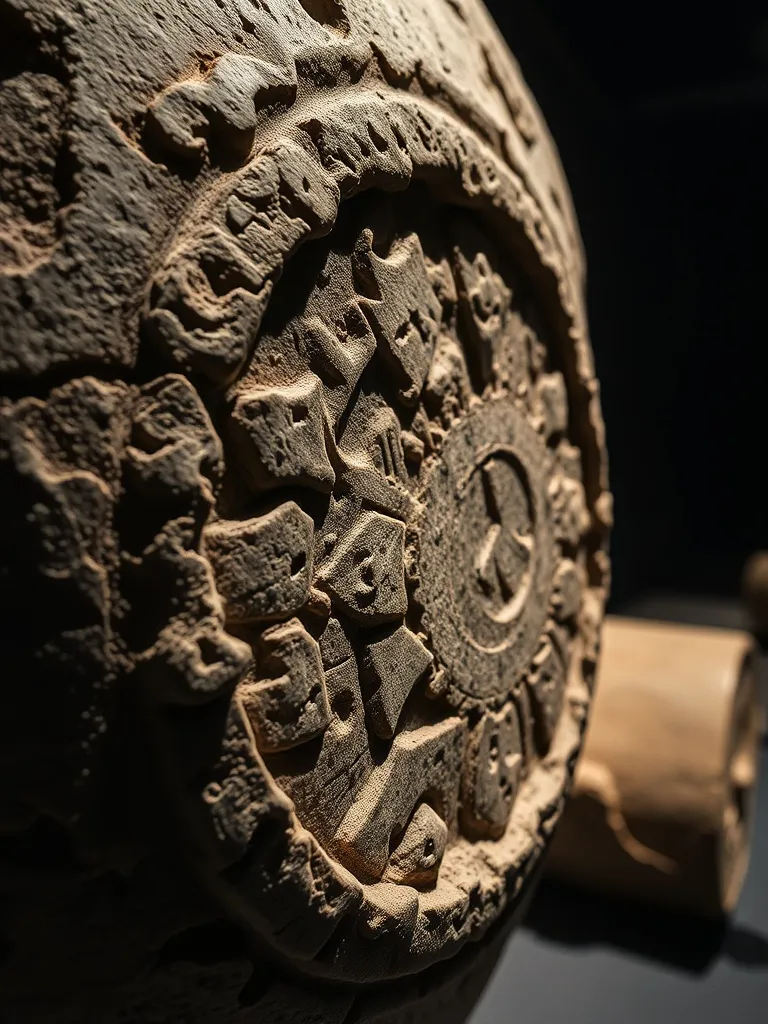
Close up of a museum artifact, stone texture, dramatic spotl

Certified Cultural Property

Donations of "Certified Cultural Property" to designated institutions (museums, galleries, archives) receive specialized tax treatment under the Cultural Property Export and Import Act. These gifts are exempt from capital gains tax, similar to securities.

Note: The donation limit of 75% of net income does not apply to certified cultural property. You can claim up to 100% of your net income using these credits, with a 5-year carry-forward period for unused amounts.

Objects must be of "outstanding significance" and "national importance." The Canadian Cultural Property Export Review Board (CCPERB) must certify the object and determine its FMV for tax purposes. This process can take several months and requires extensive documentation.

Appraisal Requirements

Mandatory documentation protocols for high-value non-cash donations.

01

Items Under $1,000

For items with a value under $1,000, a qualified staff member of the receiving charity can generally provide the valuation. However, the CRA still recommends an independent appraisal for items that are difficult to value, such as art or collectibles.

02

Items Over $1,000

The CRA strongly recommends an independent professional appraisal for any gift in kind valued over $1,000. The appraiser must be knowledgeable about the specific type of property being donated and must be independent of both the donor and the charity.

Appraisal Report Checklist

  • Description of the object
  • Date of valuation
  • Appraiser's qualifications
  • Valuation methodology used
  • Signature of the appraiser

Failure to provide a valid appraisal for high-value items can result in the CRA rejecting the tax credit or auditing the charity's receipting practices. See CRA Registered Charity Audit for more information.

Optimize Your Asset Donation

Non-cash donations require precision in valuation and strict adherence to CRA filing dates. Ensure your appraisals meet the $1,000+ threshold requirements before the tax year ends.